
Your building may be signaling that it is time for a makeover. Renovation goes beyond appearance; it supports safety, improves functionality, and helps preserve or increase property value. Recognizing when a property needs attention is the first step toward a successful renovation project. Creaky floors and peeling paint are often more than surface-level concerns. They can indicate deeper underlying issues that require prompt evaluation and repair.
Key Takeaways
- Structural issues can indicate the need for renovation
- Outdated design and functionality affect property value
- Safety hazards may be present within occupied spaces
- Plumbing, electrical, and water-related issues are common indicators of needed updates
- Energy efficiency and contractor selection are often key considerations in renovation planning
6 Signs Your Building Needs Renovation: Overview
Before starting any renovation project, it helps to take a closer look at the condition of your building as a whole. Many issues can appear small at first, but often point to larger underlying problems that affect safety, comfort, and long-term value. The overview below highlights the most common signs that may indicate it’s time to consider renovation.
| Category | Signs to Look For | What It May Indicate |
| Structural Wear & Tear | Cracks in walls/ceilings, uneven floors, misaligned doors, roof leaks, and bulging walls | Foundation movement, aging structure, or compromised structural integrity |
| Outdated Design & Functionality | Dated finishes, inefficient layouts, lack of open space, insufficient natural lighting, and old fixtures | Poor space usability, outdated aesthetics, reduced comfort, and efficiency |
| Safety Hazards | Exposed wiring, loose tiles, wobbly handrails, poor ventilation, broken smoke detectors | Code compliance issues and potential risks to occupant safety |
| Plumbing & Electrical Issues | Frequent leaks, low water pressure, rusty water, flickering lights, tripping breakers | Aging systems, wiring/plumbing deterioration, or system overload |
| Water Damage & Mold | Ceiling/wall stains, musty odors, peeling paint, warped floors, visible mold | Moisture intrusion, hidden leaks, or indoor air quality concerns |
| Energy Efficiency Problems | High utility bills, drafty windows, outdated HVAC systems, inefficient lighting/appliances | Energy loss, outdated systems, and increased operational costs |
Recognizing Structural Wear and Tear
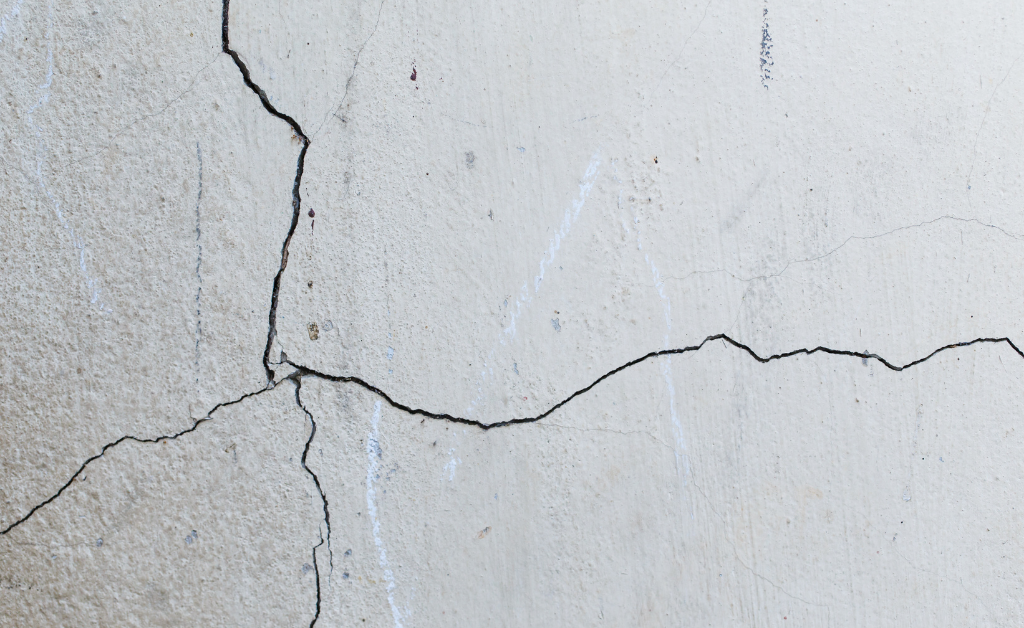
Structural wear and tear is often one of the earliest indicators that a commercial building may require renovation. While a property may still appear stable on the surface, underlying issues can develop over time and gradually affect overall integrity. Cracks in walls or ceilings, for example, may suggest shifting in the foundation rather than simple cosmetic aging. Similarly, uneven floors and doors that no longer align properly can point to movement within the building’s framework, particularly in older structures or those exposed to changing environmental conditions.
Additional warning signs may appear in more visible or urgent ways. Roof leaks can introduce moisture into the structure, weakening key materials and accelerating deterioration if left unaddressed. In some cases, walls may begin to bulge or warp, which can indicate more serious structural stress and potential safety concerns. These conditions often develop gradually but can escalate quickly without proper attention. In regions like Houston, where humidity and weather fluctuations can contribute to structural movement, these issues may appear more frequently. Regular inspections and timely evaluations help identify problems early and determine whether repair or full renovation is needed to maintain long-term stability and safety.
Identifying Outdated Design and Functionality
Outdated design and functionality can significantly affect how a building performs and is perceived. While older interiors may retain some character, they often no longer align with modern expectations for style, comfort, or efficiency. In fast-evolving markets like Houston, keeping a property visually and functionally current is an important factor in maintaining overall value.
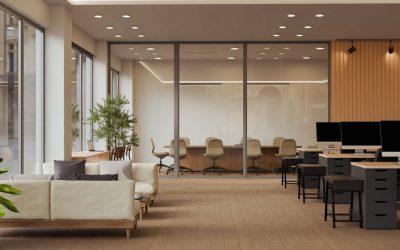
Interior elements such as dated finishes, fixtures, and appliances can make a space feel behind the times. Inefficient layouts may also limit how effectively the space is used, creating cramped or awkward flow between rooms. In many cases, a lack of open space contributes to a more confined atmosphere compared to contemporary design preferences. Natural lighting is another key factor in how updated a space feels. Insufficient daylight can make interiors appear smaller and less inviting, while also reducing energy efficiency. Together, these design limitations often signal that a property may benefit from rethinking its layout and interior features to better meet current standards.
Spotting Safety Hazards
Safety hazards within a building often indicate the need for renovation and should be taken seriously. While some issues may appear minor at first glance, they can point to larger risks that affect occupant safety and overall code compliance. Renovation efforts typically focus not only on appearance but also on ensuring a secure and functional environment.
Common concerns include exposed wiring, which can present a serious fire risk, as well as wobbly handrails that reduce stability in multi-level spaces. Loose tiles may also create tripping hazards and sometimes suggest deeper issues beneath the surface. These conditions often require evaluation to determine whether simple repairs or more extensive updates are needed.
Other safety-related factors include poor ventilation and malfunctioning smoke detectors. Inadequate airflow can contribute to health concerns and moisture problems, while broken alarms reduce early warning capability during emergencies. Together, these issues highlight the importance of maintaining a building that meets basic safety standards and supports occupant well-being.
Evaluating Plumbing and Electrical System Issues
Plumbing and electrical systems are essential components of any building, but they naturally deteriorate over time. When these systems begin to show signs of wear, they can affect both functionality and long-term reliability. Evaluating their condition is an important part of maintaining a safe and efficient property.
Common plumbing concerns include frequent leaks, low water pressure, and discolored or rusty water. These issues often point to aging or corroded pipes that may no longer perform effectively. In many cases, they suggest that sections of the plumbing system may need repair or full replacement to restore consistent performance. Electrical issues can present themselves through flickering lights and repeatedly tripping circuit breakers. These symptoms may indicate wiring problems, system overloads, or outdated electrical infrastructure. Addressing these concerns helps maintain operational stability and reduces the risk of more serious hazards within the building.
Identifying Signs of Water Damage or Mold
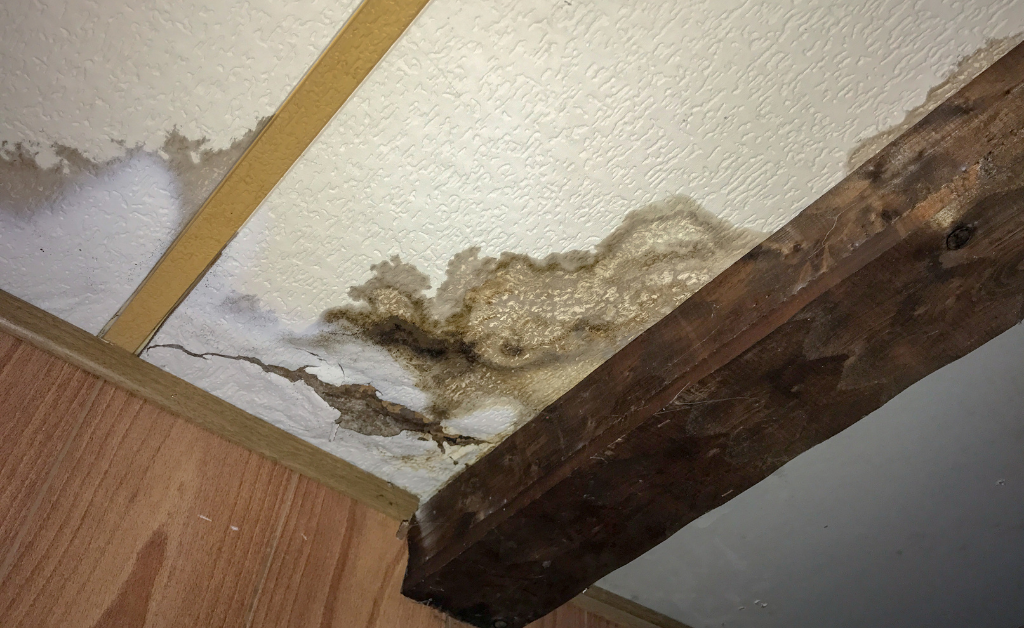
Water damage and mold are often hidden issues that can gradually compromise a building’s structure. When left unaddressed, they can lead to deterioration of materials, reduced indoor air quality, and increased repair costs. Identifying early indicators is an important part of maintaining long-term building health. Common signs include discoloration on walls or ceilings, peeling or bubbling paint, and musty odors that suggest moisture or mold presence. These conditions often indicate that water has entered areas where it should not be, creating an environment where damage can develop over time. In some cases, warped floors may also point to prolonged exposure to moisture beneath the surface.
Visible mold growth represents a more advanced stage of water intrusion and is typically associated with more immediate concerns. It often requires professional assessment and remediation to prevent further spread. Together, these warning signs highlight the importance of addressing moisture-related issues as part of any renovation or restoration effort.
Understanding the Need for Energy Efficiency Upgrades
Energy efficiency has become an increasingly important consideration in modern buildings. Improvements in this area can lower utility costs, enhance overall comfort, and contribute to long-term environmental sustainability. As part of a renovation process, energy upgrades often play a key role in improving a property’s performance and value.
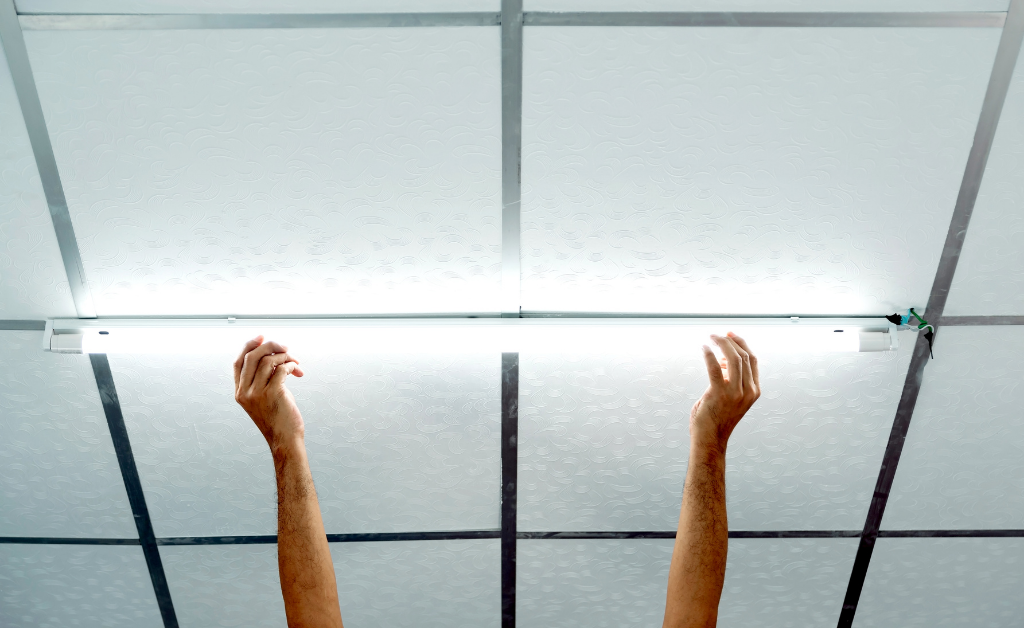
High utility bills are often associated with inefficiencies within a building’s systems. Drafty windows, outdated HVAC units, and older appliances can all contribute to unnecessary energy loss and increased operating costs. These issues typically indicate that key components are no longer functioning at optimal efficiency. Lighting systems also play a significant role in overall energy use. Buildings that rely on outdated lighting may consume more power than necessary compared to modern, energy-efficient alternatives. Together, these factors highlight how energy performance can gradually decline over time, often signaling the need for targeted upgrades during renovation efforts.
Tips for Finding Reliable Contractors and Construction Teams
Finding the right contractor or construction team is one of the most important steps in ensuring a successful renovation project. In a competitive market like Houston, TX, careful evaluation helps ensure that your chosen professionals can deliver quality work, stay on schedule, and align with your project goals. The following tips highlight key factors to consider during the selection process.
- Local references offer insight into a contractor’s reliability and quality of work based on real project experiences
- Verified credentials, including licenses, insurance, and certifications, indicate professional standards and compliance
- Transparent contracts help define project scope, costs, timelines, and expectations clearly before work begins
- Clear communication supports smoother collaboration and helps address issues or changes throughout the project
- Online reviews provide additional feedback on customer satisfaction and overall contractor performance
Building Renovation FAQs
What is the meaning of building renovation?
Building renovation refers to the process of improving, updating, or restoring a structure to enhance its functionality, safety, and aesthetics. It can involve anything from minor repairs and cosmetic upgrades to major structural changes. Renovations aim to make a building more comfortable, efficient, and compliant with current standards.
What are the most common signs that a commercial building needs renovation?
Look out for signs like outdated designs, frequent maintenance issues, and declining energy efficiency. Visible wear and tear, such as peeling paint, deteriorating flooring, or leaky roofs, can indicate a need for updates. Inefficient layouts that no longer meet business needs or safety code violations are also red flags. Additionally, if tenants or customers express dissatisfaction, it might be time to consider a renovation. Regular assessments and addressing these signs promptly can maintain the building’s appeal and functionality.
How long does a typical building renovation project take?
The timeline for a building renovation depends on the size and complexity of the project. Small cosmetic updates may take a few weeks, while large-scale structural renovations can take several months or longer. Factors such as permitting, material availability, and contractor scheduling can also affect the overall timeline. Careful planning and clear communication help ensure the project stays on track.
What factors affect the cost of a building renovation?
Renovation costs vary based on the scope of work, materials used, and the condition of the existing structure. Labor costs, design complexity, and required permits also influence the final budget. Unexpected issues such as structural damage or outdated systems can increase expenses during the project. A detailed assessment and professional estimate provide the most accurate cost expectations.
Do I need permits for a building renovation project?
Most building renovation projects require permits, especially when structural, electrical, or plumbing changes are involved. Permit requirements vary depending on local building codes and the type of work being completed. Failing to obtain proper permits can result in fines or delays in the project. Consulting with a licensed contractor or local authority helps ensure compliance with all regulations.
Signs Your Building Needs Renovation
Recognizing the signs that a building needs renovation is essential for maintaining safety, functionality, and long-term property value. From structural wear and outdated design to plumbing issues, safety hazards, and energy inefficiencies, these warning signs should not be overlooked. Addressing them early can help prevent more costly repairs and ensure the building remains efficient and usable.
As a construction and renovation team serving Houston, TX, understanding these challenges allows us to help property owners identify issues before they escalate. Through our approach to design-build services, we focus on delivering tailored renovation solutions that improve both performance and appearance.
Ready to take the next step in improving your building? Request an estimate to discuss your renovation needs and get a customized quote for your project.