
Remodeling a commercial building in Houston, Texas, is an exciting opportunity to enhance your property’s value, functionality, and visual appeal. Whether you’re planning a commercial renovation for a retail center, restaurant, or office complex, understanding the commercial remodeling timeline is essential for keeping your project on track and within budget.
Key Takeaways
- Commercial remodeling can improve property value, enhance curb appeal, and help attract and retain tenants
- Thorough planning and clearly defined project goals are essential for maintaining timelines and achieving desired outcomes
- Accurate budgeting and financial planning play a critical role in managing costs and avoiding unexpected expenses
- The success of a remodeling project often depends on selecting experienced contractors, designers, and project managers
- Commercial remodels typically progress through several phases, including planning, demolition, construction, finishing work, and final inspections
Understanding the Benefits of Commercial Remodeling
Commercial remodeling is more than just updating how a building looks; it is an investment in the future of your business. Renovating a commercial property can increase its value and make it more attractive to potential tenants and customers. Modern features like energy-efficient lighting and smart technology help create a more appealing and up-to-date environment.
A remodeled commercial space can also improve the work environment for employees. Better organization, improved traffic flow, and updated amenities can lead to higher comfort, productivity, and job satisfaction.
Initial Planning for Your Commercial Building Project
Before you begin remodeling commercial building improvements, a detailed assessment of the existing structure is essential. Start by evaluating areas that need upgrades and determining how the project can support your long-term business goals.
For many businesses, redesigning the building layout is a major priority. Improving workflow, accessibility, and functionality during the planning phase can create long-term benefits for both employees and customers. And don’t forget to involve key stakeholders in the planning process. Their input can provide valuable insights and foster a collaborative approach to project success.
Setting a Realistic Budget for Remodeling
Setting a realistic remodeling budget starts with creating a detailed cost estimate that includes materials, labor, permits, and a contingency fund for unexpected expenses. Strong financial planning, including exploring funding or financing options, helps ensure the project stays on track.
Maintaining transparency with stakeholders and contractors keeps everyone aligned, while regular budget reviews help manage costs throughout the project. Looking for cost-saving solutions, such as energy-efficient or sustainable materials, can maximize your budget without sacrificing quality.
Hiring the Right Team: Contractors, Architects, and More
Choosing the right commercial remodeling contractor is one of the most important decisions you’ll make during your renovation project. The contractor you hire will oversee construction, coordinate trades, manage timelines, and ensure the finished space aligns with your business goals. At Hammond Remodeling, we’ve seen firsthand how an experienced contractor can make the difference between a smooth project and costly delays.
A qualified commercial remodeling contractor brings industry knowledge, problem-solving skills, and a commitment to quality workmanship. From planning and permitting to construction and final inspections, your contractor should guide you through every stage of the process. Regular communication, project updates, and clear expectations help keep everyone aligned and minimize disruptions to your daily operations.
Before hiring a contractor, take time to review their experience, portfolio, and testimonials. Look for a team with a proven track record of completing similar commercial projects and maintaining compliance with local building codes and safety standards. At Hammond Remodeling, we encourage business owners to ask questions, verify credentials, and clearly define project responsibilities from the start to ensure a successful remodeling experience.
The Stages of a Successful Commercial Remodel
A successful commercial remodel is completed through a series of structured phases that build on one another from start to finish. Each stage plays an important role in keeping the project organized, on schedule, and aligned with the overall design goals. Understanding these phases helps set clear expectations for what happens throughout the remodeling process.
Demolition Phase
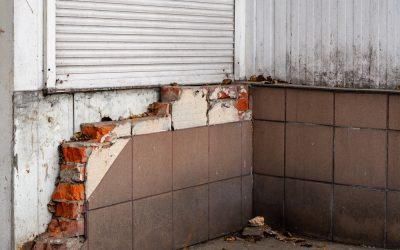
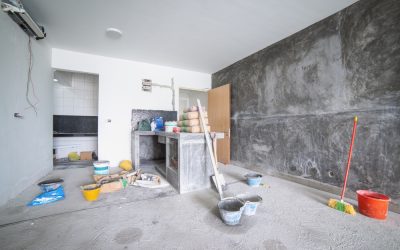
A commercial remodel typically begins with demolition. Outdated structures and old materials are removed to clear space for new development. While this stage can be messy and disruptive, it creates a clean foundation for the new design.
Construction Phase
Once demolition is complete, commercial construction begins. During this phase, contractors focus on structural work, system upgrades, and implementing the approved design plans while maintaining safety and quality standards.
Finishing Phase
As construction wraps up, attention shifts to the finishing details. Painting, flooring, lighting, and improvements to the building’s exterior help complete the transformation and enhance curb appeal. Projects involving restaurants or food service facilities may also include specialized upgrades to commercial kitchens, ensuring compliance with health regulations and operational requirements.
Final Walkthrough
The project concludes with a final walkthrough to review the completed work. This step ensures everything meets expectations and allows any remaining issues or adjustments to be addressed before the space is officially occupied.
Commercial Building Remodeling FAQs
How much does it cost to remodel a commercial building?
Remodeling a commercial building can vary widely in cost, typically ranging from $50 to $200 per square foot. Factors like location, building size, and the extent of renovations play a crucial role in determining the final price. A small-scale facelift might be at the lower end, while extensive renovations with high-end finishes will push you towards the higher range. Always consider getting multiple quotes for a more accurate estimate.
Do commercial remodels require permits?
Yes, most commercial remodeling projects require permits before work can begin. These permits help ensure that the project meets local building codes, safety regulations, and zoning requirements. The exact permits needed depend on the scope of work and the location of the property. Working with experienced contractors can help streamline the permitting process.
How long does a commercial remodeling project usually take?
The timeline for a commercial remodel depends on the size and complexity of the project. Smaller renovations may take a few weeks, while larger or more complex projects can take several months or longer. Factors like design changes, permit approvals, and material availability can also affect the schedule. Careful planning helps reduce delays and keeps the project on track.
How can I minimize business disruption during remodeling?
Minimizing disruption often starts with careful scheduling and phased construction planning. Many businesses choose to remodel in stages or during off-hours to reduce the impact on daily operations. Clear communication between contractors and business owners is also essential to avoid unexpected interruptions. With proper coordination, many businesses can remain partially or fully operational during the process.
How do I choose the right contractor for a commercial remodel?
Choosing the right contractor involves reviewing experience, past projects, and client feedback. It is important to select a contractor who specializes in commercial remodeling and understands local building codes. Getting multiple bids can help you compare pricing and services more effectively. A strong communication style and clear contract terms are also key indicators of a reliable partner.
Commercial Building Remodeling Timeline Guide
Understanding the commercial remodeling timeline is essential for keeping projects organized, efficient, and on budget. From planning and demolition to construction and final walkthroughs, each phase plays an important role in the overall success of the project. With the right preparation and team, businesses can achieve a smoother remodeling experience and better long-term results.
As a commercial remodeling team in Houston, Texas, having a clear and structured process is key to delivering successful outcomes for local property owners and businesses. At our core, we focus on helping clients navigate complex remodeling projects with confidence and clarity.
Ready to start planning your commercial remodel in Houston? Schedule a consult with us today and discuss your project goals with our team.