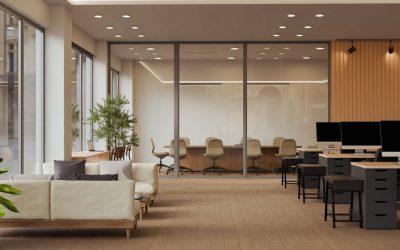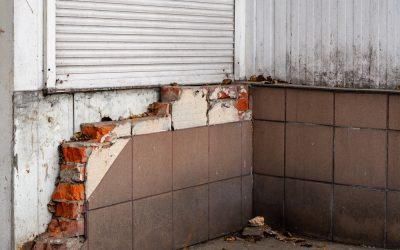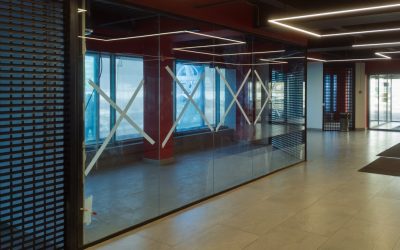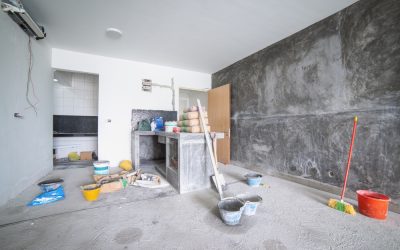
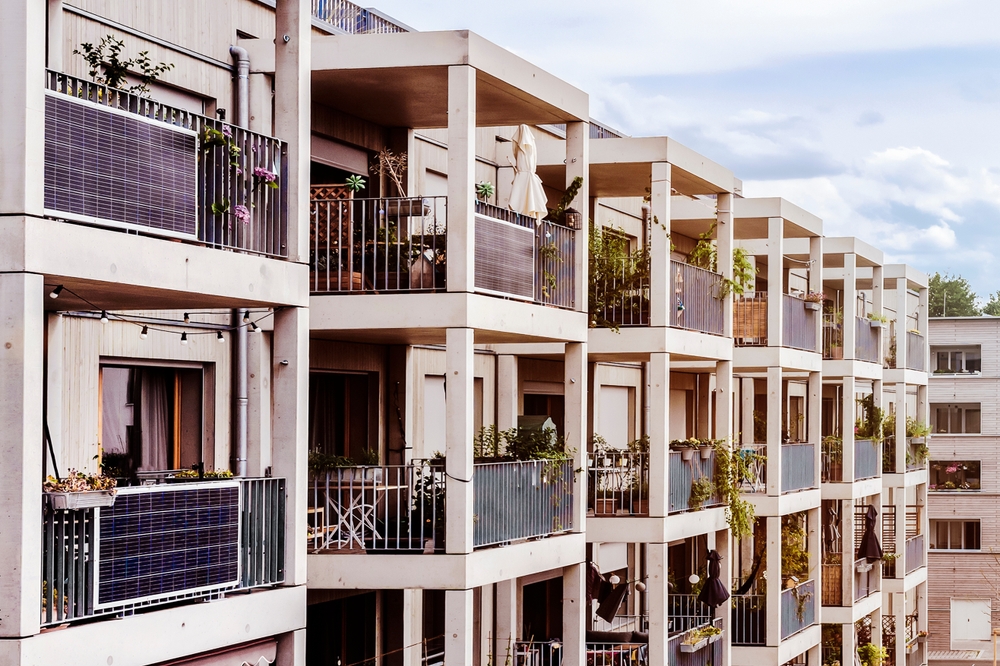
Multifamily remodeling is all about updating or improving apartment buildings, duplexes, or other properties where multiple families live. This can include multifamily exterior remodels, multifamily interior remodels, or even complete multifamily renovations that modernize kitchens, bathrooms, common areas, and building systems.
Remodeling isn’t just about aesthetics, it can increase property value and make tenants happier. Updated, well-maintained apartments encourage residents to stay longer, take better care of their living space, and recommend the property to others. Thoughtful remodeling benefits both property owners and tenants, especially in a competitive market.
Planning a Multifamily Remodeling Project
Before beginning any work, it’s important to assess the property and develop a comprehensive renovation plan. Are the kitchens outdated? Do bathrooms or interior renovations need upgrades? Should the exterior renovation include landscaping or an improved outdoor space? Identifying priorities helps you allocate resources efficiently.
Budgeting is the next step. Remodeling can be costly, so plan for materials, labor, and unexpected repairs. Hiring experienced renovation contractors and project managers can help keep your renovation project on track and on budget.
Permits and regulations are critical. Multifamily buildings have specific safety and zoning requirements. Obtaining proper permits ensures your project complies with the law and avoids costly delays.
Common Remodeling Upgrades
When remodeling a multifamily property, some upgrades make a bigger difference than others. Focusing on these key areas can improve tenant satisfaction and increase property value. Here are the most common remodeling improvements:
Kitchen and Bathroom Renovations
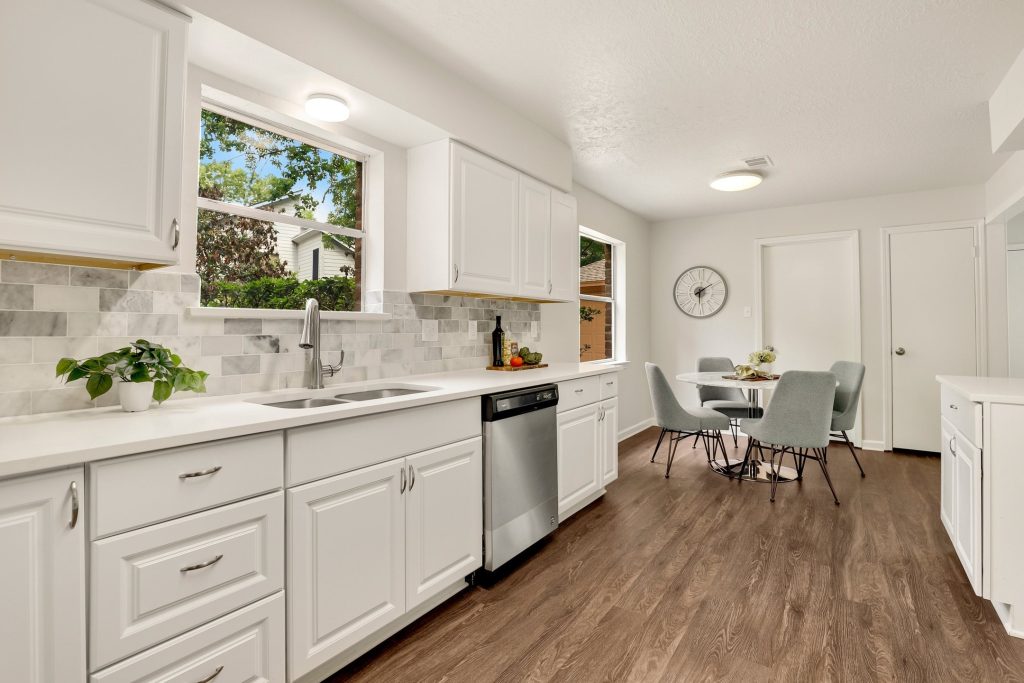
Modern cabinets, countertops, sinks, and fixtures improve functionality and style. Installing energy-efficient appliances can also reduce utility costs for tenants.
Flooring and Wall Updates
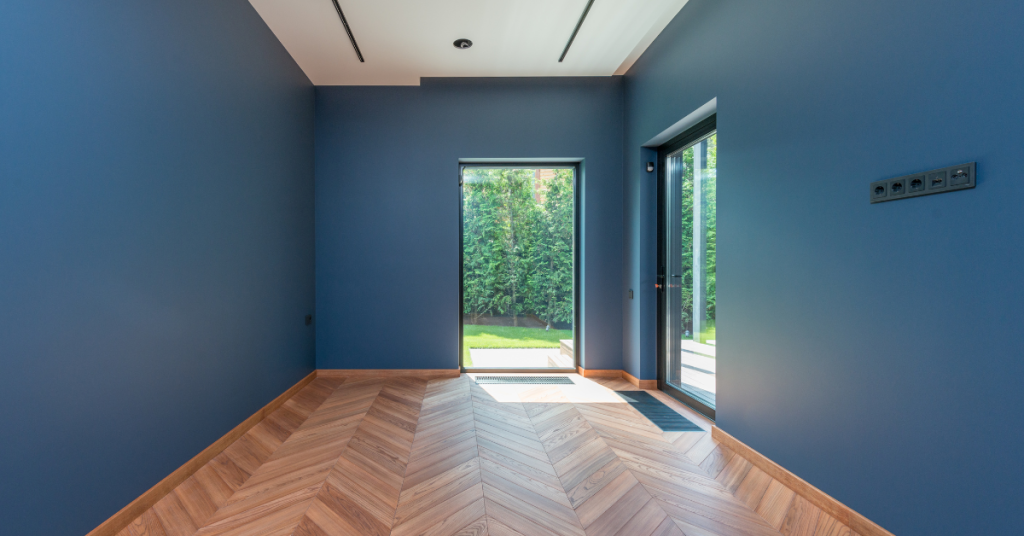
New flooring or fresh paint can completely refresh a unit. Accent walls, textures, or materials aligned with current design trends add modern appeal without a full renovation.
Energy-Efficient Improvements
Upgrading to energy-efficient windows, LED lighting, or insulation helps tenants save money and reduces environmental impact.

Common Area Enhancements
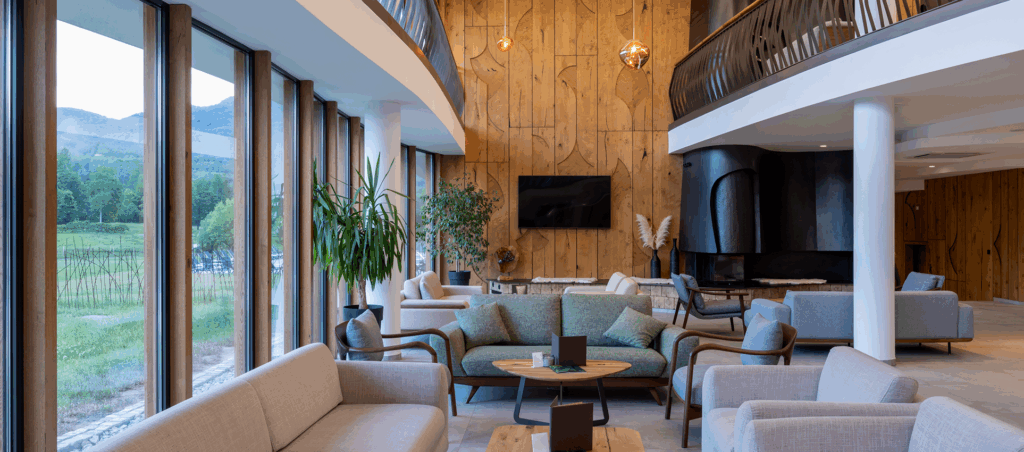
Shared areas like lobbies, gyms, and lounges shape tenant experience. Updated furniture, lighting, and flooring improve comfort and usability.
Outdoor Space Improvements
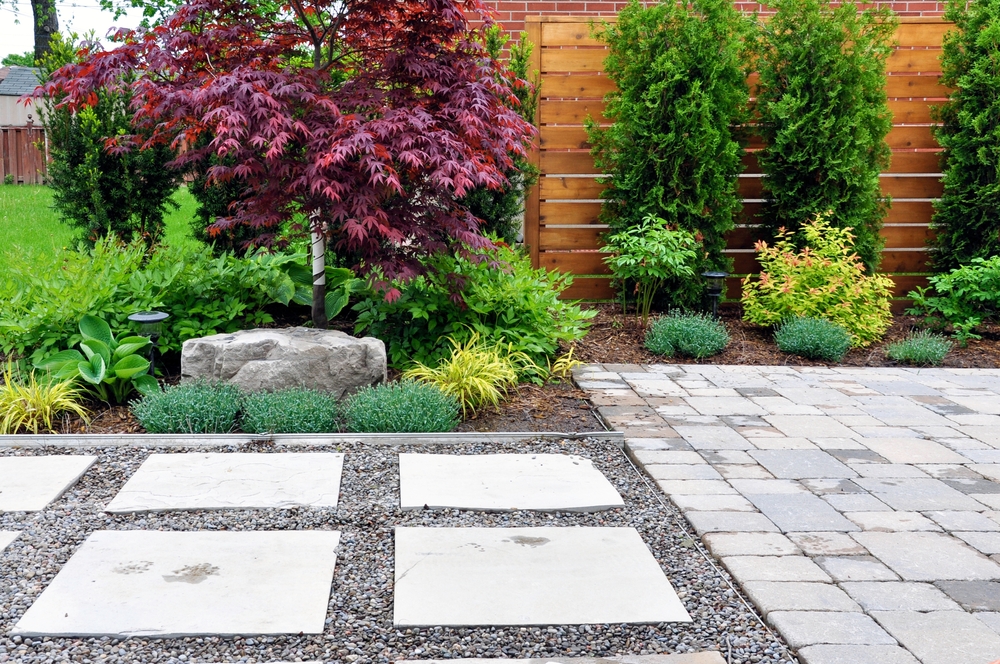
Balconies, patios, or communal gardens enhance the property’s appeal and provide enjoyable outdoor living solutions.
Benefits of Multifamily Remodeling
Renovating a multifamily property offers several key benefits that can improve both the building and the experience for tenants.
| Benefit | Why It Matters |
| Increased Property Value | Updated apartments and common areas make the building more appealing to buyers and investors. |
| Improved Tenant Retention | Tenants are more likely to stay longer in well-maintained, modern spaces, reducing turnover costs. |
| Enhanced Curb Appeal and Reputation | Fresh looks, clean landscaping, and inviting entrances create a positive impression and help the property stand out. |
Challenges in Multifamily Remodeling
Remodeling while tenants live on-site requires careful scheduling and communication. Coordinating multiple units and contractors, managing interior renovations, and completing exterior renovations simultaneously demand strong planning and experienced project managers.
Frequently Asked Questions
How long does a typical multifamily home remodel take?
The timeline varies based on the size of the property and the scope of work. Small updates might take a few weeks, while a full-scale remodel can take several months.
Can remodeling be done while tenants are still living in the building?
Yes, with careful planning and clear communication, most projects can be completed while minimizing disruption for tenants.
Are there financing options for multifamily remodeling?
Many property owners use loans, lines of credit, or investment funding to cover remodeling costs. Some local programs may also offer incentives for energy-efficient upgrades.
How do I prioritize which areas to remodel first?
Focus on areas that affect tenant experience, safety, or property value, like kitchens, bathrooms, and common areas. Energy efficiency upgrades can also be a high priority.
Will remodeling require inspections after completion?
Yes, most upgrades, especially structural or electrical work, will need to be inspected to ensure they meet local building codes and safety regulations.
What to Know About Multifamily Remodeling
A thoughtful multifamily remodeling project can enhance the property’s value and tenant experience. From interior renovations to exterior renovations and outdoor space improvements, proper planning, budgeting, and skilled renovation contractors ensure long-term success.
As a remodeling company in Houston, we understand the unique needs of multifamily buildings. Our team has experience with assessing property needs, coordinating multiple units, and ensuring projects comply with local permits and regulations.
Ready to upgrade your property and boost tenant satisfaction? Contact us and let us help you plan your next multifamily remodeling project.