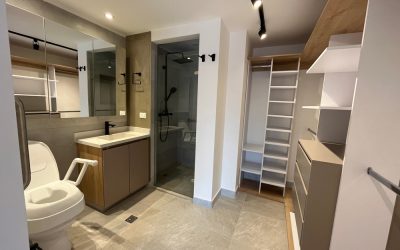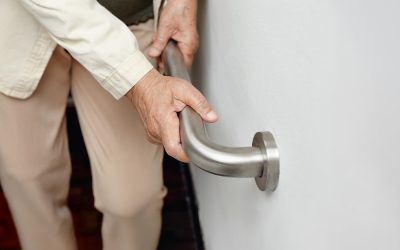
If you or someone in your home needs extra support in the bathroom, ADA grab bars can make a big difference. These bars provide support and stability and help prevent slips and falls, especially in wet areas like the shower floor or near the toilet. Safety isn’t just about avoiding accidents; it’s about giving people the confidence to move around independently.
ADA grab bars aren’t just helpful; they’re also part of a set of rules called ADA compliance. The Americans with Disabilities Act (ADA) sets standards to make spaces accessible for everyone, including people with disabilities.
This means the placement, height, and type of grab bars need to meet specific guidelines to ensure they’re safe and effective. Knowing these basics is the first step toward creating a secure and accessible bathroom space.
Understanding ADA Grab Bars
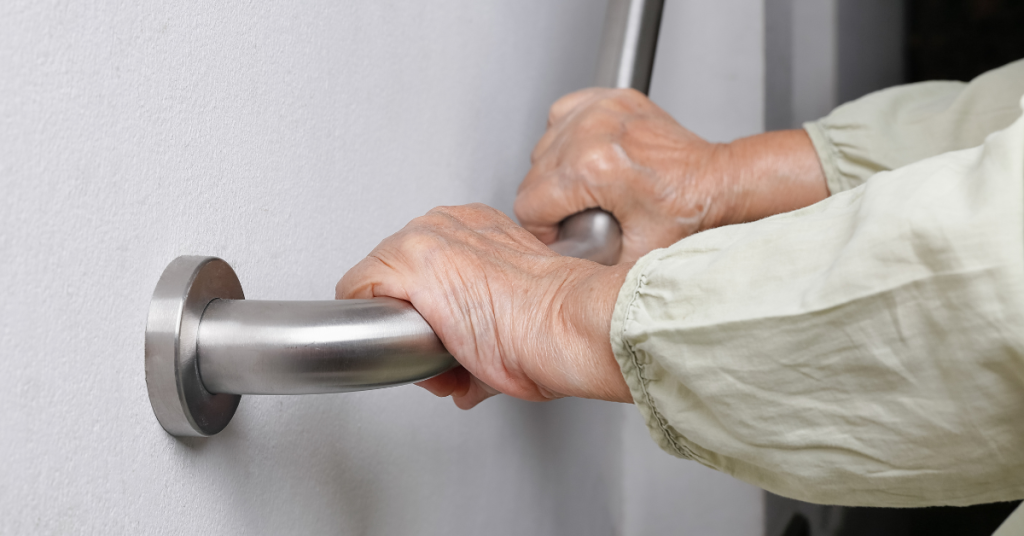
Before you install grab bars, it helps to understand what they are and why they matter. A grab bar is a sturdy handle you can hold onto for support. They’re designed to help people keep their balance, prevent falls, and move safely in places like bathrooms or near stairs.
There are several types of grab bars to consider, including horizontal grab bars and vertical grab bar options that can be used in different parts of the bathroom. They also come in various grab bar length choices, depending on your space and needs.
Grab bars are commonly made of stainless steel, which is durable and ideal for high-use areas, though aluminum and plastic versions are also available. Choosing the right type and material will make your bathroom safer and more comfortable for anyone who needs assistance.
ADA Grab Bar Standards and Placement
Knowing how to place grab bars in shower areas and around toilets is just as important as choosing the right material. ADA grab bar standards outline proper bar heights, grab bar placements, and distance from the wall to ensure safety.
For most bathrooms, the recommended grab bar height is between 33 and 36 inches above the floor. Each grab bar required must be secured firmly into the wall or a solid surface to support a person’s full weight.
Some key areas for grab bar placements include:
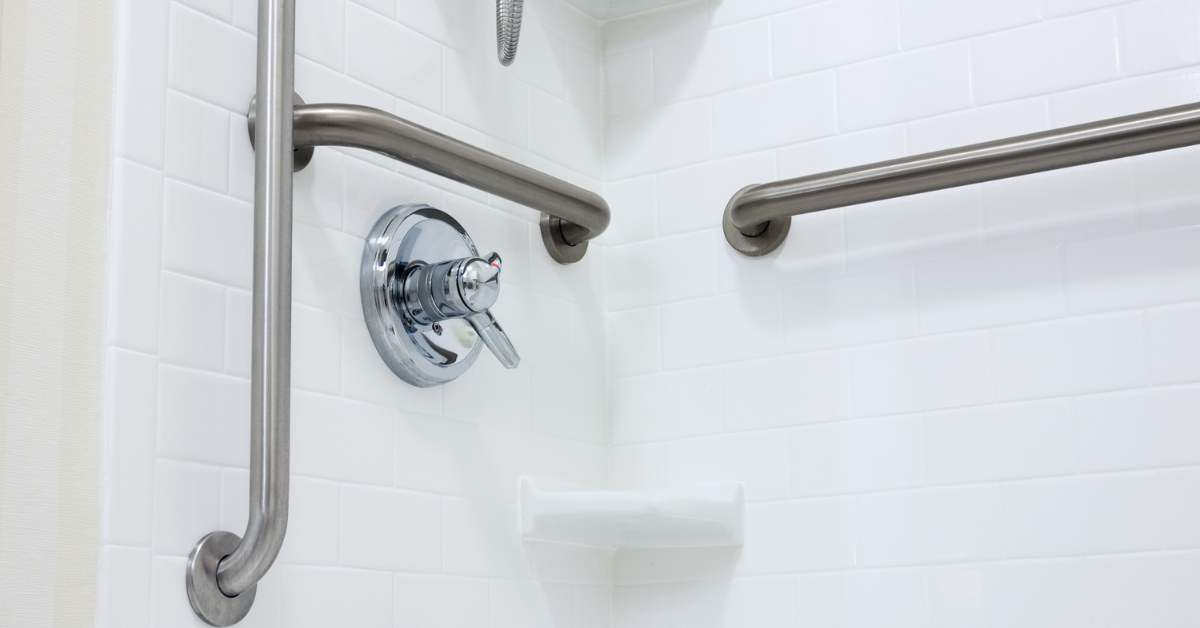
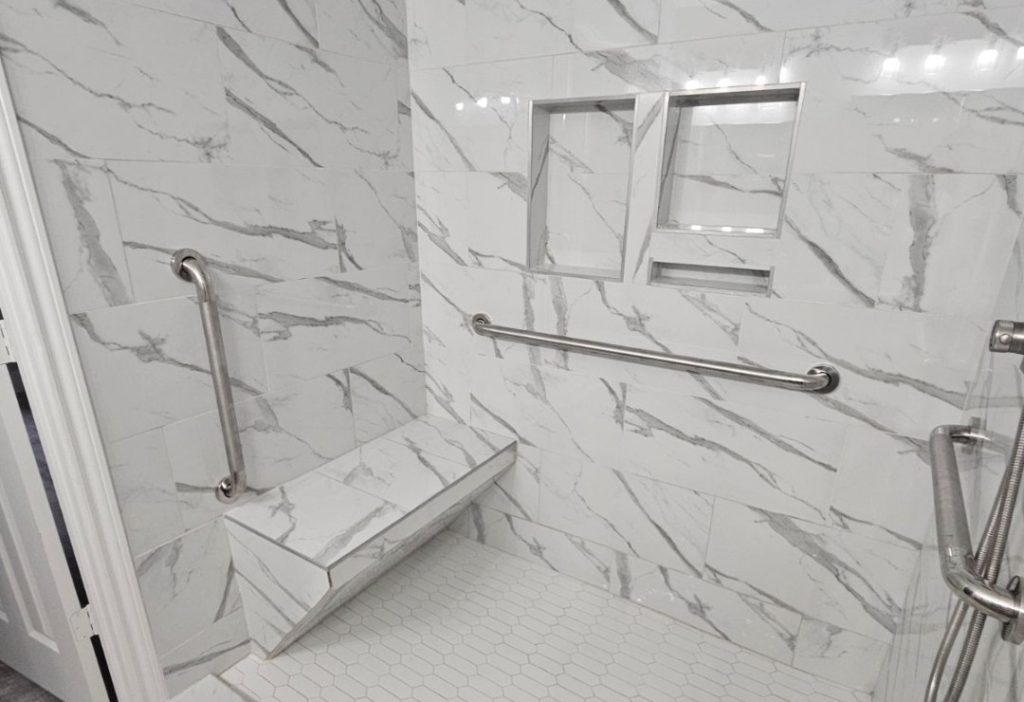
- Showers: Install a horizontal grab bar along the back wall and a vertical one near the shower entrance for stability. Including a folding shower seat or corner bench can enhance accessibility for users with limited mobility.
- Toilets: Place toilet grab bars on the wall behind or beside the toilet to assist with sitting and standing. ADA standards recommend a 36-inch-long horizontal bar behind the toilet and a 42-inch-long bar on the adjacent wall, positioned 33–36 inches above the floor. These placements ensure maximum leverage and ease of movement.
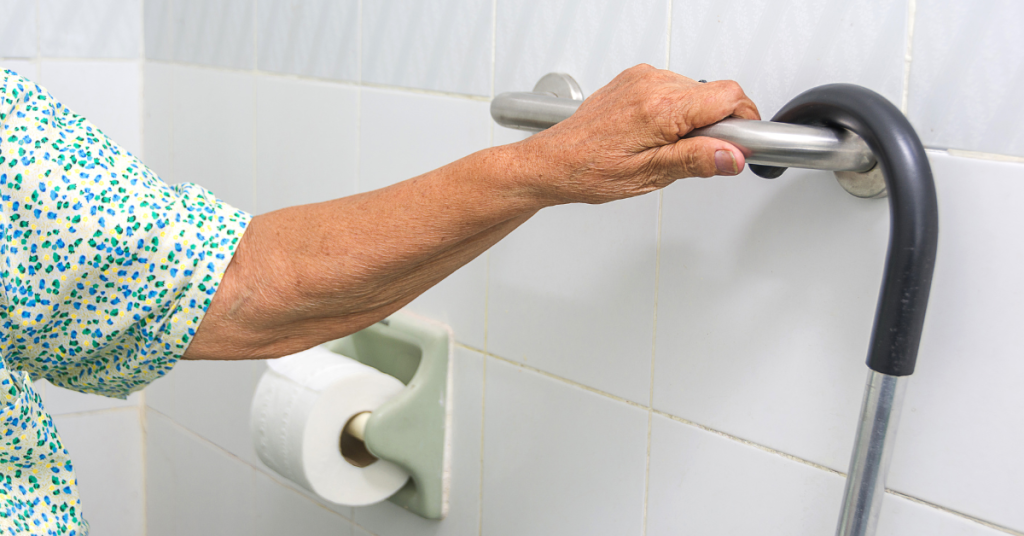
Correct installation ensures that everyone can move confidently and safely, whether they’re using the shower, shower grab, or toilet area. Properly mounted grab bars provide reliable support when shifting positions, entering or exiting the shower, or lowering onto and rising from the toilet. When bars are anchored securely and placed at the correct recommended height, they reduce the risk of slips and falls while promoting independence for people of all ages and mobility levels.
Maintenance and Safety Checks
Installing grab bars is only part of the process; keeping them safe requires regular maintenance. Inspect your grab bars several times a year to ensure they remain firmly attached and haven’t loosened. Tighten any loose screws or call a professional if needed.
To clean, use mild soap and water, avoiding harsh chemicals that could damage the finish. For textured grips, a soft brush helps remove soap scum or residue. Regular maintenance helps your grab bars maintain their support and stability for years.
Common Mistakes to Avoid
Even minor mistakes during installation can make grab bars unsafe. Incorrect height or placement can make them ineffective. Always follow ADA guidelines for bar heights and positioning.
Another issue is improper anchoring; grab bars must be attached to wall studs or solid reinforcements, not just drywall. Choosing quality materials like stainless steel ensures long-lasting safety and strength.
FAQ: ADA Grab Bars
1. Do I need a professional to install ADA grab bars?
While some homeowners can handle installation, hiring a professional ensures the bars are secured properly, meet ADA standards, and can safely support a person’s full weight. Improper installation can lead to accidents.
2. Can I install grab bars in any bathroom layout?
Yes, grab bars can be customized to fit most bathrooms, including small spaces. Professionals can help determine the ideal placement for showers, toilets, and tubs to maximize safety and accessibility.
3. How do I choose the right grab bar length?
The best grab bar length depends on the space and intended use. Longer bars provide more support for moving along walls, while shorter bars are useful near toilets or shower entrances. A professional assessment can help determine the right size.
4. Are there grab bars suitable for wet or slippery conditions?
Yes. Many ADA grab bars feature textured grips or are made from non-slip materials, like stainless steel, specifically designed to maintain traction even when wet.
5. Can grab bars be added to existing bathrooms without remodeling?
Absolutely. Grab bars can often be retrofitted to existing walls using proper anchors or stud placement. This makes it possible to increase bathroom safety without major renovations.
ADA Grab Bars for Your Home
Installing ADA grab bars is a smart, practical upgrade that can make your home safer and more accessible. Following ADA grab bar standards and understanding where each grab bar is required will make your ADA bathroom grab bars secure and easy to use.
As a home remodeling company in Houston, we specialize in designing and installing ADA-compliant features such as grab bars, toilet grab bars, and shower grab solutions. Our experts can help determine the right grab bar length, placement, and materials to match your space and safety needs.
Ready to make your bathroom safer? Request an estimate for professional ADA grab bar installation.