When updating a home for comfort or safety, many people confuse ADA-compliant remodeling with accessible remodeling. While both focus on improving mobility and function, they serve different needs. Knowing the difference helps you choose the right upgrades for your home and lifestyle.
What Accessible Remodeling Means
Accessible remodeling focuses on making everyday life easier for people of all ages and abilities. These upgrades remove barriers and improve movement around the home.
The goal is simple: help people move safely and live more independently. Unlike ADA rules, accessible remodeling is flexible and based on each family’s needs.
5 Key Features of Accessible Remodeling
When it comes to accessible remodeling, the main goal is to create a home that supports comfort, safety, and independence. These changes aren’t always about meeting legal requirements but instead about making everyday life easier for people with mobility challenges, seniors, or anyone who wants a safer living environment.
Homeowners can choose the features that best fit their needs, focusing on convenience and usability rather than strict codes. Here are some of the most common features:
- Wider Doorways and Hallways – Makes it easier for people using wheelchairs, walkers, or crutches to move around freely and comfortably.
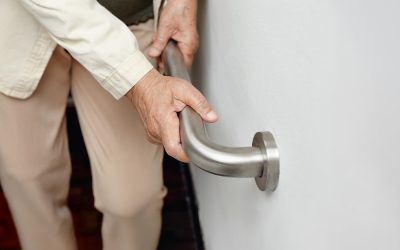
- Grab Bars and Support Rails – Add stability in bathrooms and hallways, prevent falls, and provide confidence when standing, sitting, or walking.
- Non-Slip Flooring and Ramps – Reduce the risk of accidents and replace stairs with ramps to remove barriers between rooms.
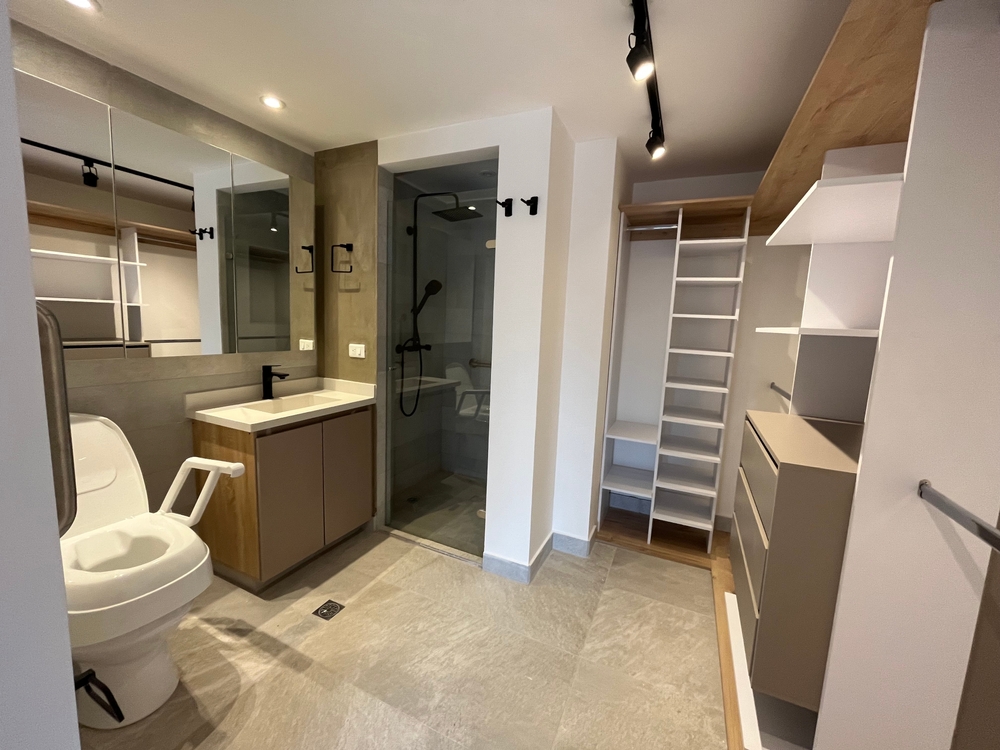
- Accessible Kitchen and Bathroom Layouts – Features like lower counters, roll-under sinks, walk-in showers, or higher toilets make daily tasks such as cooking and bathing much easier.
- Lever-Style Handles and Easy-to-Use Fixtures – Replacing traditional doorknobs, faucets, and cabinet handles with lever-style designs makes opening, turning, and reaching much simpler for people with limited hand strength or dexterity.
What ADA-Compliant Remodeling Means
ADA-compliant remodeling follows the Americans with Disabilities Act. These are strict federal standards meant for public or shared spaces.
Private homeowners do not have to follow ADA rules, but some choose to for added safety or long-term planning.
5 Key Features of ADA Compliant Remodeling
ADA upgrades include:
- Standard Door and Hall Widths
Must meet exact measurements for mobility devices. - Grab Bars at Required Heights
Rail spacing and placement must follow ADA guidelines. - Non-Slip Floors & Regulated Ramps
Slope and material rules ensure safe movement. - Accessible Kitchens & Bathrooms
Roll-in showers, adjustable sinks, and required clearances. - Braille & Visual Signage
Needed in public spaces to help visually impaired users.
Comparing ADA Compliance and Accessible Remodeling
While both approaches improve safety and usability, the key difference is regulation versus flexibility:
| Feature | ADA-Compliant Remodeling | Accessible Remodeling |
|---|---|---|
| Purpose | Ensures legal accessibility for public or shared spaces | Enhances safety, comfort, and usability for private homes |
| Regulations | Must follow strict federal standards set by the ADA | Flexible; designed around homeowner’s needs without legal requirements |
| Measurements & Layouts | Specific measurements for door widths, ramps, counters, bathrooms, and clearances | Can be customized to fit personal needs and space constraints |
| Focus | Accessibility for all, including people with disabilities | Convenience, comfort, safety, and independence for the household |
| Where Applied | Public buildings, rental properties, commercial spaces | Private homes and personal living spaces |
| Examples | ADA-approved grab bars, ramps, accessible bathrooms, door clearances | Lowered countertops, stair lifts, slip-resistant flooring, and widened hallways |
| Legal Implications | Non-compliance can lead to fines or mandatory adjustments | No legal requirements; optional ADA adherence for resale value |
| Customization | Limited—must meet exact standards | High—can be tailored to specific family needs and lifestyle |
Benefits for Daily Living
Both types of remodeling help:
- Reduce fall risks
- Improve comfort and mobility
- Support aging-in-place
- Make daily tasks easier
Accessible remodeling is ideal for personal comfort and independence. ADA-compliant upgrades add universal access and safety, especially in shared or rental spaces.
Cost Considerations and ROI
Costs vary depending on the project. Small upgrades like grab bars or non-slip flooring are affordable, while larger renovations such as kitchens, bathrooms, or widening hallways require more investment. Even if ADA compliance is optional in private homes, accessible features can increase property value, as more buyers prioritize safety and convenience.
About Hammond Remodeling
At Hammond Remodeling, we’re proud to be led by Maury, a CAPS-certified professional. Being a Certified Aging-in-Place Specialist (CAPS) means Maury has the specialized training to design and build homes that let our clients live safely, independently, and comfortably as they age. With this expertise, every remodeling project we take on is not just functional, it’s customized to fit the unique needs of your home and your lifestyle.
The Lasting Impact of Accessible Remodeling
Accessible remodeling transforms homes into safer, more comfortable, and more independent spaces. From ramps and widened hallways to smart technology and accessible bathrooms, these changes support freedom and reduce everyday stress for all family members.
As a home remodeling company in Houston, we specialize in designs that balance practicality with comfort. Whether you’re exploring the difference between ADA-compliant vs accessible remodeling or just want to make your home easier to navigate, our team delivers solutions that work now and in the future.
Looking to make your home safer and more comfortable? Contact us today to schedule a consultation and see how accessible remodeling can improve your daily life.