As we get older, staying in our own home can feel more important than ever. Home improvements and home renovation projects can make your house safer and more comfortable, so you can live independently for years to come. Whether it’s a complete remodel or smaller residential property remodeling, updating your home to fit your needs is a smart choice.
Many seniors face challenges during home remodeling projects. Stairs, narrow doorways, slippery floors, and hard-to-reach cabinets can make everyday tasks risky. By planning a home remodeling project carefully, you can create a home that works with your lifestyle instead of against it.
Planning with Seniors’ Needs in Mind
When remodeling for seniors, planning is the first step. Identify safety priorities like bathrooms, lighting, and flooring to prevent accidents. Consider the full scope of work, including square foot measurements and your floor plan, to make sure every change fits your home.
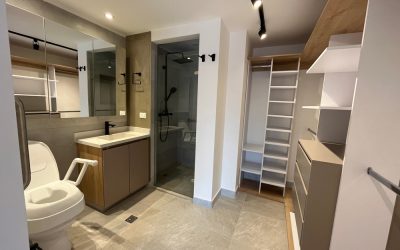
Mobility and accessibility upgrades are also important. Adding ramps, wider doorways, and grab bars makes moving around your house safer and easier. Balancing these upgrades with comfort ensures that your home is not just functional, but a place where you feel happy and relaxed.
Choosing the Right Remodeler
Selecting the right contractor is key to a successful remodeling project. Look for general contractors who have experience with senior-friendly design and understand the specific needs of older adults. Ask questions about their past projects, how they handle electrical work, and what their project renovation process looks like.
Checking references and reviewing a home remodeling guide from your remodeler can give you confidence. A professional remodeler can handle the complexity of your project and provide a clear plan from start to finish.
Budgeting and Financing Options
Planning a realistic budget is an essential part of any home improvement project. Start by listing the changes you want and getting estimates from contractors. Consider long-term costs and benefits to make sure your investment pays off.
There are financing options and programs designed specifically for seniors that can help with renovation processes. Choosing energy-efficient upgrades not only improves safety and comfort but also increases the return on your investment.
Watch out for unexpected issues or hidden costs by asking your contractor about the full scope of work ahead of time. This helps you stay on budget and avoid surprises.
Simple Remodeling Upgrades That Make a Big Difference
Even small upgrades can make a home safer and more comfortable. Here are some aging-in-place remodeling steps that have a big impact:
- Lever door handles and faucets – Easier to use than traditional knobs, especially for those with arthritis.
- Non-slip flooring – Reduces the risk of slips and falls in kitchens, bathrooms, and hallways.
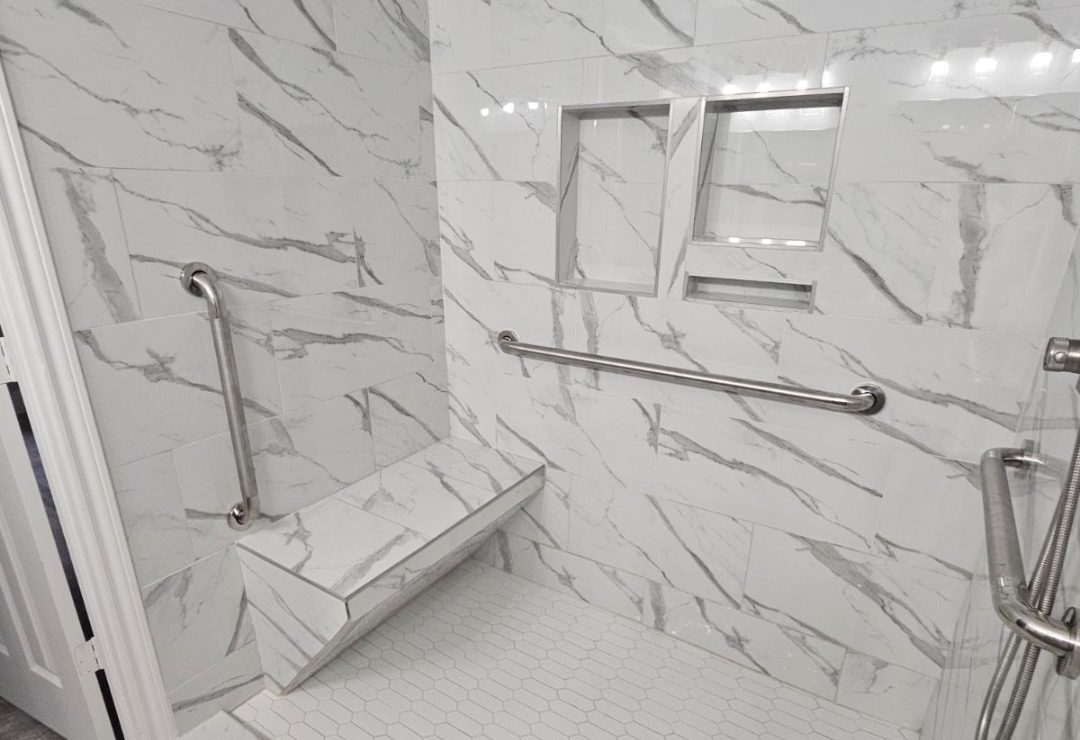
- Walk-in showers or tubs – Safer than stepping over high tub edges, and easier to get in and out.
- Improved lighting – Brighter, well-placed lights help prevent accidents and make rooms easier to navigate.
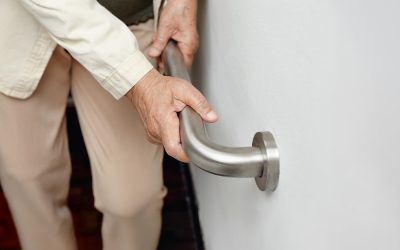
- Grab bars and handrails – Placed in bathrooms, hallways, and near stairs for extra support.
- Ramps or stair lifts – Help seniors move safely between different levels of the home.
- Widened doorways – Make it easier to use mobility aids like walkers or wheelchairs.
- Smart home technology – Motion-sensor lights, fall detection devices, and voice-activated systems can make daily tasks easier and safer.
Choosing the right building materials and focusing on energy-efficient upgrades can turn even a simple project renovation into a dream home makeover.
7 Common Questions About Aging in Place Remodeling for Seniors
1. What is aging-in-place remodeling?
Aging in place remodeling means updating your home so it stays safe, comfortable, and accessible as you get older. This can include changes like wider doorways, walk-in showers, non-slip flooring, and grab bars.
2. Which areas of the home should I focus on first?
Bathrooms and kitchens are often the most important. Stairs, hallways, and entryways are also key areas where safety upgrades can prevent falls.
3. How do I know which upgrades I need?
Start by thinking about your daily routine and where you feel least safe or comfortable. A professional remodeler experienced in senior-friendly design can help identify the most important changes for your home.
4. Are these remodeling projects very expensive?
Costs can vary depending on the upgrades you choose. Simple improvements like lever handles or better lighting are affordable, while larger projects like ramps or walk-in showers may cost more. There are also grants and financing options available for seniors.
5. How long does a typical remodeling project take?
Smaller projects like installing grab bars or updating lighting can be done in a day or two. Bigger renovations, like widening doorways or remodeling bathrooms, may take a few weeks. Your contractor can give a timeline before work begins.
6. Can technology help with aging in place?
Absolutely. Smart home devices, motion-sensor lights, and fall detection systems can make daily life easier and safer without major construction.
7. How do I choose the right contractor?
Look for someone experienced in senior-friendly remodeling. Ask questions about past projects, check references, and make sure they understand your specific needs for safety and accessibility.
Making the Home Remodeling Process Easier for Seniors
Remodeling a home for seniors is about safety, comfort, and independence. Careful planning, choosing the right remodeler, budgeting wisely, and adding practical upgrades can make the home renovation process smooth and stress-free. Small changes like improved lighting, non-slip flooring, and smart home features can make a big difference in daily life.
As a home remodeling company in Texas, we specialize in creating senior-friendly spaces that are both functional and comfortable.
Ready to make your home safer and more comfortable? Request an estimate today for a personalized consultation and let us help you bring your senior-friendly remodeling project to life.