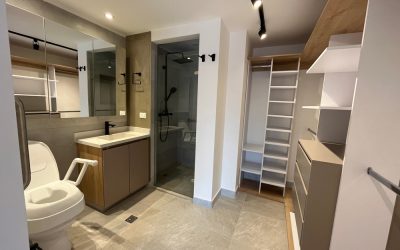

As we age, making our homes safe, comfortable, and accessible becomes a priority. Remodeling for accessibility, sometimes called aging-in-place renovations, helps you maintain independence, reduce risks, and enjoy everyday activities with ease. With the guidance of residential remodeling contractors, even simple modifications can make a big difference.
Step 1: Assess Your Home’s Accessibility Needs
The first step in remodeling is understanding your unique requirements. Contractors typically evaluate:
- Mobility challenges: Do you use a walker, a cane, or a wheelchair?
- Safety concerns: Are there slip hazards, poor lighting, or narrow doorways?
- High-risk areas: Bathrooms, kitchens, stairs, and entryways often need special attention.
This assessment allows contractors to create a customized plan that improves safety and functionality throughout your home.
Step 2: Implement Essential Accessible Home Upgrades
Here are some of the most effective changes for a fully accessible home:
- Bathroom Modifications: Walk-in showers, shower benches, grab bars, higher toilets, and lever-style faucets.
- Kitchen Improvements: Pull-out shelves, lower counters, and brighter task lighting for easier meal prep.
- Mobility Enhancements: Ramps, wider doorways, and stairlifts ensure smooth movement between rooms.
- Safety Features: Non-slip flooring, layered lighting, and smart home technology reduce accident risks and enhance independence.
These upgrades aren’t just functional; they make daily life safer and more enjoyable.
Step 3: Partner with Professional Remodeling Contractors
Hiring professional contractors provides several advantages to aging-in-place remodeling:
- Expert Planning: They design updates that balance safety and style.
- Safety Compliance: Modifications meet all building codes and accessibility standards.
- Tailored Solutions: Every change is customized to your mobility, lifestyle, and home layout.
Contractors help save time, minimize stress, and ensure long-term comfort.
Step 4: Plan for Costs and Value
The cost of accessibility remodeling varies by project size and materials. Contractors can help you plan your budget, explore financing options, and focus on updates that prevent accidents, lower healthcare costs, and increase home value. Simple modifications, like installing grab bars or brighter lighting, are relatively affordable, while larger projects, such as widening doorways, adding ramps, or remodeling a bathroom, require a bigger investment.
Working with professionals also helps you prioritize updates, so you get the most value for your money. They can suggest cost-effective alternatives, phased projects, or energy-efficient upgrades that save on utilities. In the long run, investing in accessibility not only enhances safety and independence but also protects your home’s functionality and value for years to come.
Creating an Accessible Home for Every Stage of Life
Creating a fully accessible home is all about safety, comfort, and independence. In this blog, we’ve covered how remodeling contractors assess your home’s accessibility needs, identify potential hazards, and implement solutions like walk-in showers, grab bars, wider doorways, ramps, and improved lighting. These updates make daily life easier, reduce the risk of accidents, and help homeowners maintain independence at every stage of life.
As a residential remodeling contractor serving the Texas Triangle, we specialize in designing and building homes that are safe and accessible for every stage of life.
Thinking about making your home more age-friendly? Request an estimate and let us help you plan modifications that keep your home safe, comfortable, and accessible.